
48 Hours in Lake Como: Staying Where the Ferry Timetable Doesn’t Rule Your Weekend

Lake Como is shaped like an inverted Y, and most first-time visitors learn that the hard way: they book a beautiful house in Bellagio or Varenna, then spend the weekend watching the ferry clock, because the road between villages on opposite shores is slow, narrow and often the only alternative.
On a two-day trip from London last September, my wife and I did it differently. We stayed on the quieter northern shore, at Domaso, and built the trip around the lake’s north-south axis instead of the central basin.
2-Day Lake Como Itinerary
48 Hours in Lake Como at a Glance
Make Domaso your base for two days on Lake Como: arrive by rail through Colico, settle into Villa Morreta, then head south to Lenno and Villa del Balbianello. Leave room for terrace time, long lunches, and evenings on the north shore.
Day 1: The arrival that sets the tone
- Fly in: land at Milan, reach Milano Centrale — the last leg is by rail, and it’s the scenic half
- Train: the Trenord regional toward Tirano/Sondrio. Per the current timetable, direct trains leave roughly hourly at 20 minutes past the hour (14:20, 15:20…)
- Arrive: Colico in about 1 hour 26 minutes direct from Milano Centrale
- Cross: a short walk from Colico station to the pier, then a quick ferry across the water — or the local C10 bus around the northern tip. Either way, 15–20 minutes to Domaso
- Check in: Villa Morreta, and take the first hour on the terrace rather than on a plan
- Evening: dinner at La Ronde in Domaso — unhurried, local, ten minutes from the room
- After dinner: walk the lakefront in the dark. In September the north shore goes silent early; that silence is the reason to be here
Day 2: South to the villas, back for the last table
- Morning: head south along the lake toward Lenno — by boat where the timetable allows
- Villa del Balbianello: an 18th-century villa on a wooded point, owned and opened to visitors by FAI, the Italian National Trust. The villa stands alone on its promontory, gardens running to the water. Book a timed entry slot in peak months; they sell out
- Lunch: Trattoria Santo Stefano in Lenno — a proper long lunch between the villa and the crossing home
- Golden hour: back at Domaso with the sun on the far shore
- Dinner: Ristorante da Luisa on the old waterfront in Domaso — the last meal of the trip, and the one that made the north shore feel like the right choice
Home base: Villa Morreta, Domaso. A villa on the north-western shore, past the point where most day-trippers turn around. We chose it for the quiet: the evenings are local rather than touristic, and the water across from Colico is wide and unhurried.
Getting around: Trenord regional train to Colico, then the short hop across the northern tip — ferry or the C10 bus Villas covered: Villa del Balbianello at Lenno, as a day trip south Time of year: September — warm water, thinning crowds, ferries still on full timetable
Where to Stay on Lake Como: Pick the Arm First
This is the decision that makes or breaks a short stay. The south-western arm runs down to Como town and Cernobbio; the south-eastern arm runs to Lecco; the two meet the upper lake at the Bellagio promontory.
Road journeys across those arms are slow. The central basin, Bellagio, Varenna, Menaggio and the Tremezzina shore, is the compromise most first-time visitors make: the car ferries cross between all four, so every classic garden and village is a short boat ride away.

I compare the four classic bases in detail in my guide, Where to Stay on Lake Como. Bellagio for being at the centre of the ferry network, Varenna for arriving without a car (it has its own railway station on the Milano Centrale–Lecco–Tirano line), Menaggio for walking and the western villas, Cernobbio for short stays and quick road transfers toward Milan.
For our two days, we went one step further north, to Domaso on the quieter upper shore, a base I’d recommend to anyone who wants the lake without the queues, and who is happy to make one longer journey south for the villas.
If your priority is being in the middle of everything, take the central basin; if your priority is ending the day in silence, take the north shore.
There is also a practical catch for short-stay travelers. When I was booking for September, a number of the properties in the more popular parts of the lake were only taking bookings of a full week, which rules out a weekend break.
Domaso, where I stayed, had no such restriction, and that is part of why a 48-hour trip worked at all. Minimum stays vary by property and by time of year, so check them before you fall for a particular villa, and ask whether a slightly quieter base would open up the dates you want.


Day One: Arrive, Cross, and Learn the Lake
My first day begins at Milano Centrale. The regional train toward Tirano/Sondrio runs direct to Colico — about an hour and twenty-six minutes, no changes — and the last stretch, as the train climbs the eastern shore toward the northern tip, is one of the great arrivals in Italian travel: mountains close in on both sides, and the lake appears below.
At Colico, the practical move that defines the whole trip: a short walk from the station to the pier, where a quick ferry crosses the water to Domaso — or, if the timetable doesn’t cooperate, the C10 bus runs the same crossing by road. Either way it’s 15 to 20 minutes, and you’ve crossed to the quiet side of the lake before you’ve unpacked a thought.

Domaso in September is what the central basin is in August, minus the crowds. The village is small, the lakefront is local, and the evenings go quiet early. Dinner the first night is at La Ronde, a short walk from the villa — the kind of table you’d never find if you’d stayed in Bellagio, and the first sign that the north shore pays its own dividends.

Day Two: The Villa Worth Crossing For
One property justifies the whole journey south, and it sits at Lenno on the south-western shore of the central basin.
Villa del Balbianello is an 18th-century villa on a wooded point, owned and opened by FAI, the Italian National Trust. The setting does most of the work — the villa stands alone on its promontory, gardens running to the water — but the interiors and the story justify the visit. Book a timed entry slot in peak months; they sell out.
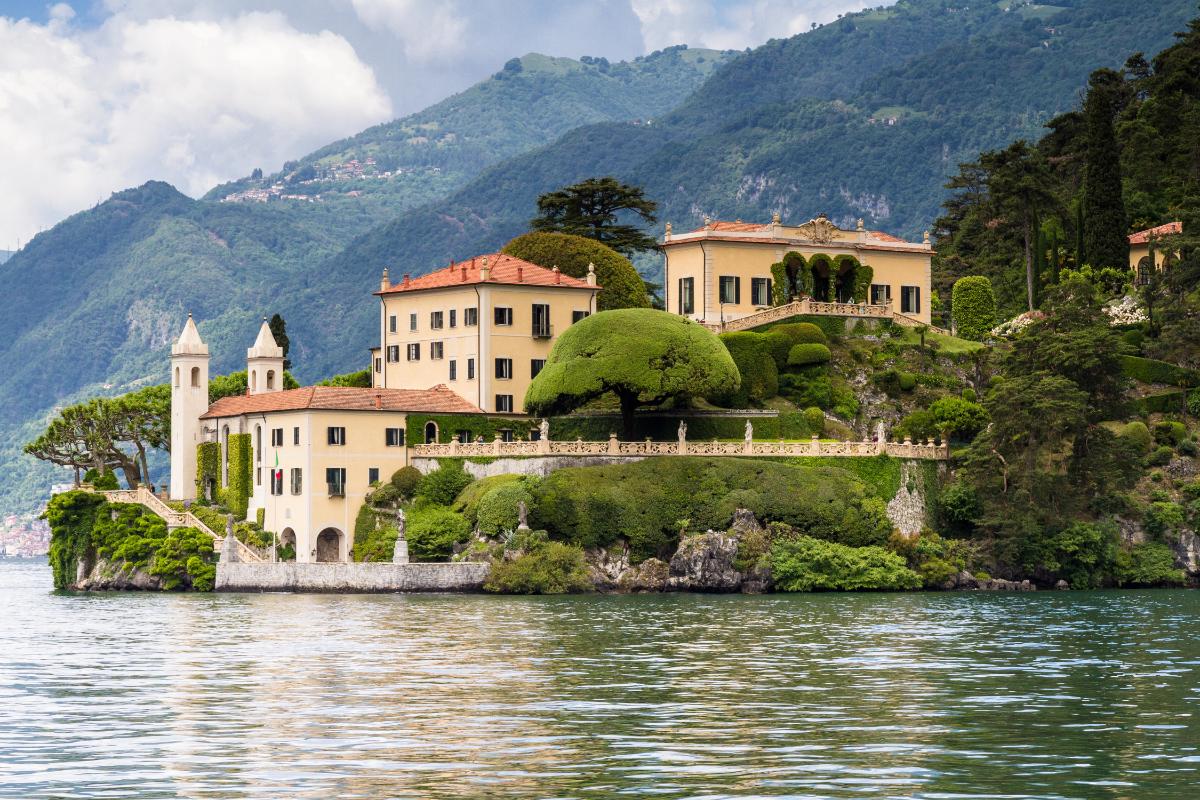
Lunch after is at Trattoria Santo Stefano in Lenno — take the long table, order slowly, and let the middle of the day belong to the village rather than the itinerary. From there, the crossing back north is the part of the day no road trip can replicate: the sun on the western shore, the mountains behind you, and Domaso waiting at the end of it.

The final evening is back on the north shore, at Ristorante da Luisa on the old waterfront — close enough to walk from the villa, and the meal that sealed the choice of base. The lake is the destination, not the backdrop.
When to Go, and What to Book First
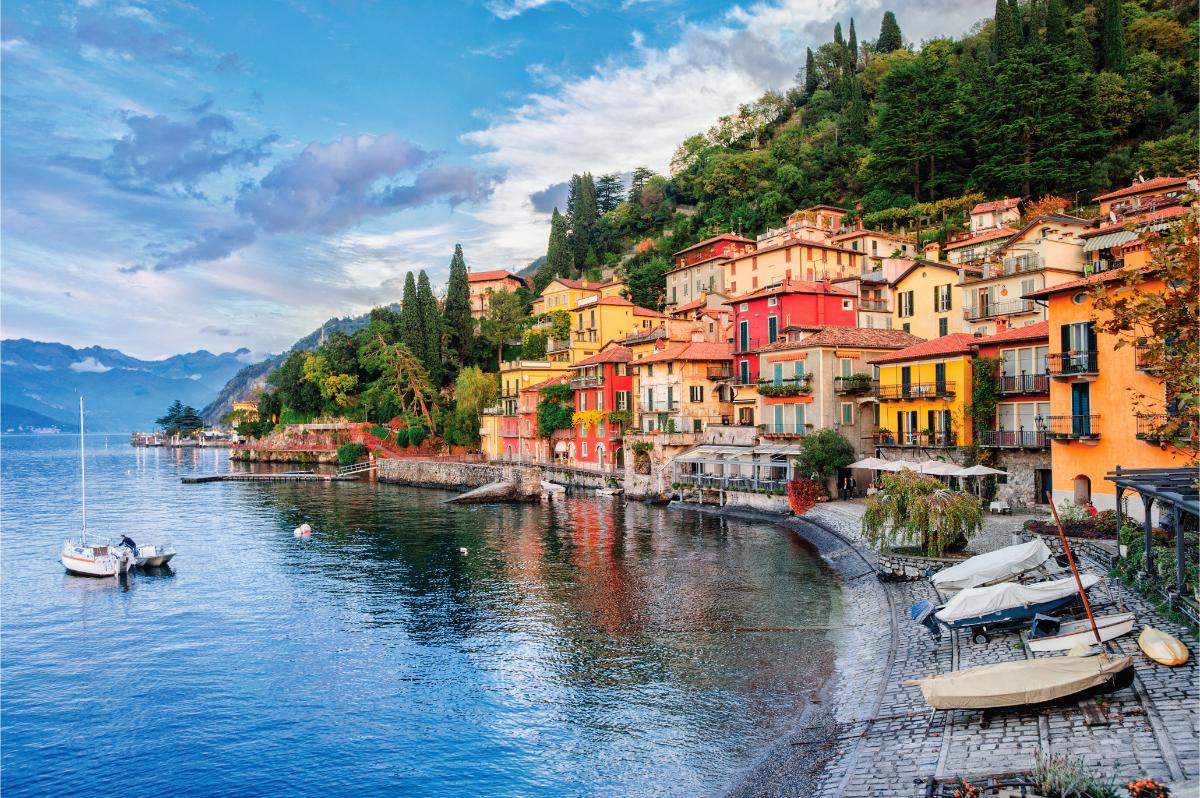
September is the honest answer for this itinerary: warm water, the ferry timetable still at or near its fullest, and the July–August crush gone from the central basin. Whatever the month, book in this order: your base on the right arm of the lake, then any timed villa entries, then the rest takes care of itself.
The one mistake to avoid is underestimating how much the lake’s shape structures the day. Pick the arm that matches what you want from 48 hours — central for connectivity, north for quiet — and plan the boat journeys around it, not against it.
One more thing to check early if you only have a weekend: minimum-stay rules. When I booked, a number of properties in the busiest villages wanted a full week. Look at the minimum stay before you commit to a base.
- About the Author
- More info
Antony Coetzee is the founder of iLuxuryTravels.com. He spent more than a decade as a senior operations and product leader at Expedia Group, working on global distribution technology, pricing platforms and inventory connectivity across Europe and the US, before founding the site to bring that data-first approach to private villas, estates and luxury hotels. He writes planning guides for stays across Europe, Americas, Asia and beyond.