
48 Hours in Valencia: From the Old City to the Mediterranean and Albufera

I studied Tourism and Business Administration in Valencia, so the city means a lot to me. After visiting more than 40 countries, I appreciate places where you can enjoy local life without wasting time getting from one spot to another.
Valencia is one of those places. In just 48 hours, you can walk through historic streets, bike along an old riverbed, visit a fishing neighborhood, relax by the Mediterranean, and try rice dishes made with local ingredients.
If I were planning two days here for a friend, I wouldn’t try to see every museum or landmark. Instead, I’d give each day a different focus. The first day would focus on the city and its connection to the sea. The second would take us south to El Saler, El Palmar, and Albufera Natural Park.
Here’s how I would spend those 48 hours.
48 Hours in Valencia at a Glance
Here’s a complete 48-hour Valencia itinerary at a glance. It combines the historic Old City, a ride through Turia Gardens and the fishing streets of El Cabanyal with a full day in Albufera Natural Park, mapped across two full days.
Day 1: The Historic City, Turia Gardens and the Coast
- 9:00 AM: Wander Valencia’s Old Town around Plaza de la Virgen
- 10:00 AM: La Lonja de la Seda, a UNESCO-listed silk exchange
- Market: Browse Mercado Central for local produce and seafood
- 11:45 AM: Cycle the Turia Gardens past the Palau de la Música
- Landmark: City of Arts and Sciences architecture
- 2:00 PM: Lunch at Casa Montaña in El Cabanyal
- Afternoon: Wander El Cabanyal’s fishing-village streets
- 4:30 PM: Mediterranean coast at Playa del Cabanyal and Malvarrosa
- Evening: Marina de València before dinner
- 8:00 PM: Dinner at La Pepica on Passeig de Neptú
Day 2: El Saler, El Palmar and Albufera
- 9:00 AM: Walk the Scenic Trail through La Devesa’s dunes
- 11:00 AM: Relax at El Saler Beach
- 2:00 PM: Traditional Paella Valenciana lunch at Arrocería El Rek
- Starter: Try all i pebre, a traditional eel stew
- Afternoon: Explore El Palmar’s fishing village and barracas
- Sunset: Traditional boat ride across Albufera lagoon
- Return: Private transfer back to Valencia
Where I’d Stay
For a special weekend, I’d consider Las Arenas Balneario Resort, a beachfront hotel near Malvarrosa and El Cabanyal.
I’d rather wake up near the Mediterranean than in the busy historic center. I’d have to travel into the Old Town in the morning, but staying by the beach makes it easier to get back to the hotel after a day along the coast.
The hotel is more luxurious, but I wouldn’t spend most of my budget on where I sleep. There’s so much to see and do in Valencia outside the hotel.
If you like being able to walk to the historic center in the evening, I’d suggest a smaller hotel near Ciutat Vella instead. The best choice depends on whether you want to stay by the beach or have easy access to the Old Town.
Day One: The Historic City, Turia Gardens, and the Coast
9:00 AM: Start with Valencia’s Old Town
I’d begin the morning in the historic center, around Plaza de la Virgen and the streets surrounding Valencia Cathedral.

This area is best explored on foot. I’d spend the first hour wandering the smaller streets, stopping for coffee, and soaking up the atmosphere instead of rushing from one monument to the next.
At 10:00 AM, I’d visit La Lonja de la Seda, the city’s old silk exchange and a UNESCO World Heritage Site. The Gothic trading hall, built in the 15th and 16th centuries, has tall, twisted stone columns that are really impressive in person. I’d spend about 30 to 45 minutes exploring the building.
From there, I’d walk to Mercado Central, right next door. The market is open Monday through Saturday from 7:30 AM to 3:00 PM, so I’d plan this part of the itinerary for a day it’s open.

It’s a great place to get a sense of Valencia’s food culture, with stalls selling fresh seafood, local vegetables, citrus fruit, and cured meats. I’d spend about 30 minutes browsing and maybe grab a snack before moving on.
I like adding local markets to short trips because they let you see the ingredients and traditions behind the food you’ll eat later. If I visited on a Sunday, I’d spend more time exploring the historic streets instead, since Mercado Central would be closed.
11:45 AM: Cycle Through Turia Gardens
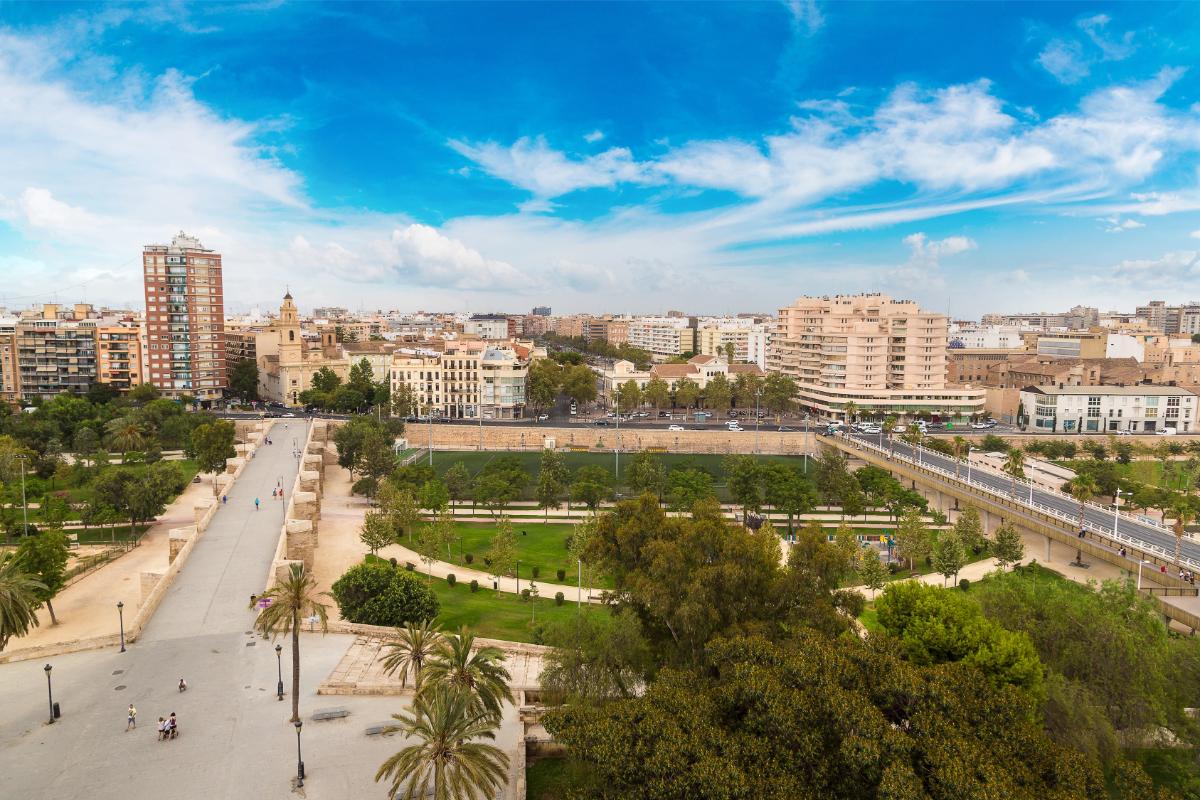
Next, I’d rent a bicycle and head through the Turia Gardens.
The gardens follow the old path of the Turia River and stretch about nine kilometers through the city. Valencia also has lots of cycle paths, so biking is a practical way to get around.
I’d give myself about 90 minutes for a relaxed ride with a few stops, instead of trying to see the whole park.
One stop I’d recommend is the Palau de la Música, a concert hall surrounded by gardens and fountains. It’s a great place to take a short break before heading to the City of Arts and Sciences.

I’d also spend some time around the City of Arts and Sciences to enjoy the architecture from outside. The buildings and pools are worth seeing, even if you don’t buy tickets. Unless you’re really interested in the museums or aquarium, I wouldn’t spend hours indoors on a short visit.
A practical tip: check the return location before renting. Since I’d be heading to El Cabanyal next, I’d look for a rental that lets me finish closer to the coast. If not, I’d return the bike near the city center and take public transport.
I’d aim to finish cycling by about 1:15 PM, so I’d have enough time to return the bike and get to El Cabanyal for a 2:00 PM lunch. I’d set up the rental and return spot ahead of time to avoid extra backtracking.
For me, cycling through Turia Gardens is one of the best ways to see Valencia without spending too much time or money getting between attractions.
2:00 PM: Explore El Cabanyal
After cycling, I’d head to El Cabanyal, Valencia’s old fishing neighborhood.
I’d start with a late lunch at Casa Montaña, a historic wine and tapas bar famous for its seafood, anchovies, and small plates to share. I’d book a table for 2:00 PM during lunch hours and confirm the reservation in advance.
I’d order a few dishes to share instead of a big meal, saving the traditional rice for the next day in El Palmar.
After lunch, I’d explore the neighborhood on foot. I’d walk along Carrer del Progrés and Carrer de la Reina, where traditional houses with colorful ceramic tiles show the area’s fishing roots.
I’d spend about 30 to 45 minutes wandering the residential streets and noticing the different architectural details. It’s a side of Valencia many visitors miss if they go straight to the beach.
I wouldn’t try to fit in Mercado del Cabanyal at this time, since it usually closes early in the afternoon. Instead, I’d spend that time enjoying the neighborhood before heading to the Mediterranean coast.
4:30 PM: Spend the Afternoon by the Mediterranean


After exploring El Cabanyal, I’d go to Playa del Cabanyal and walk along the beachfront promenade toward Malvarrosa. I’d start near Passeig de Neptú, where you can easily stop for a drink at a waterfront restaurant or café before continuing along the coast.
I’d spend some time walking along the beach, enjoying the sea views, or swimming if it’s warm enough. After a morning of sightseeing and cycling, I wouldn’t plan anything too tiring.

If I still had energy, I’d keep going north to Patacona Beach. It takes about 30 to 40 minutes to walk there from Playa del Cabanyal, depending on where you start. I might stop at La Más Bonita, a beachfront café, for coffee or something sweet while enjoying the sea views.
I’d keep Patacona optional. If I wanted a more relaxed afternoon, I’d just stay around Malvarrosa. There’s no need to walk farther just to add another stop.
6:30 PM: Enjoy the Marina Before Dinner

Around 6:30 PM, I’d head toward Marina de València to spend some time around the harbor.
If I walked all the way to Patacona, I’d take a taxi back to the marina instead of walking all the way back again. That saves time and energy after a busy day.
I’d spend about 30 to 45 minutes walking by the harbor, watching the boats, and enjoying the waterfront. I wouldn’t plan another attraction here. For me, this part of the evening is about slowing down after a busy day.
8:00 PM: Dinner by the Waterfront
For dinner, I’d go to La Pepica on Passeig de Neptú, a beachfront restaurant that’s served guests since 1898.
Since I’d already had tapas at Casa Montaña for lunch and planned to have traditional rice in El Palmar the next day, I’d order seafood instead of another paella. I’d book a table for around 8:00 PM, after the restaurant’s evening service starts at 7:30 PM.
After dinner, I’d take a short walk along the promenade before going back to the hotel.
I like ending the day this way because it brings together different sides of Valencia. I’d have spent the morning in the historic center, cycled through Turia Gardens, had lunch in an old fishing neighborhood, and finished the evening by the Mediterranean.
Day Two: El Saler, El Palmar, and Albufera

On my second day in Valencia, I’d go south to Albufera Natural Park. I’d plan to spend more of my travel budget on local food, a guided boat trip, and getting around.
The park has a freshwater lagoon about 2,800 hectares in size, surrounded by rice fields, pine forests, dunes, and coastal habitats. I’d recommend it to anyone who wants to see a different side of Valencia beyond the historic buildings and city beaches.
I’d set up transportation between El Saler and El Palmar ahead of time. Public buses go to parts of Albufera, but having a taxi or private transfer would let me enjoy the day without worrying about bus schedules.
9:00 AM: Walk Through El Saler’s Dunes
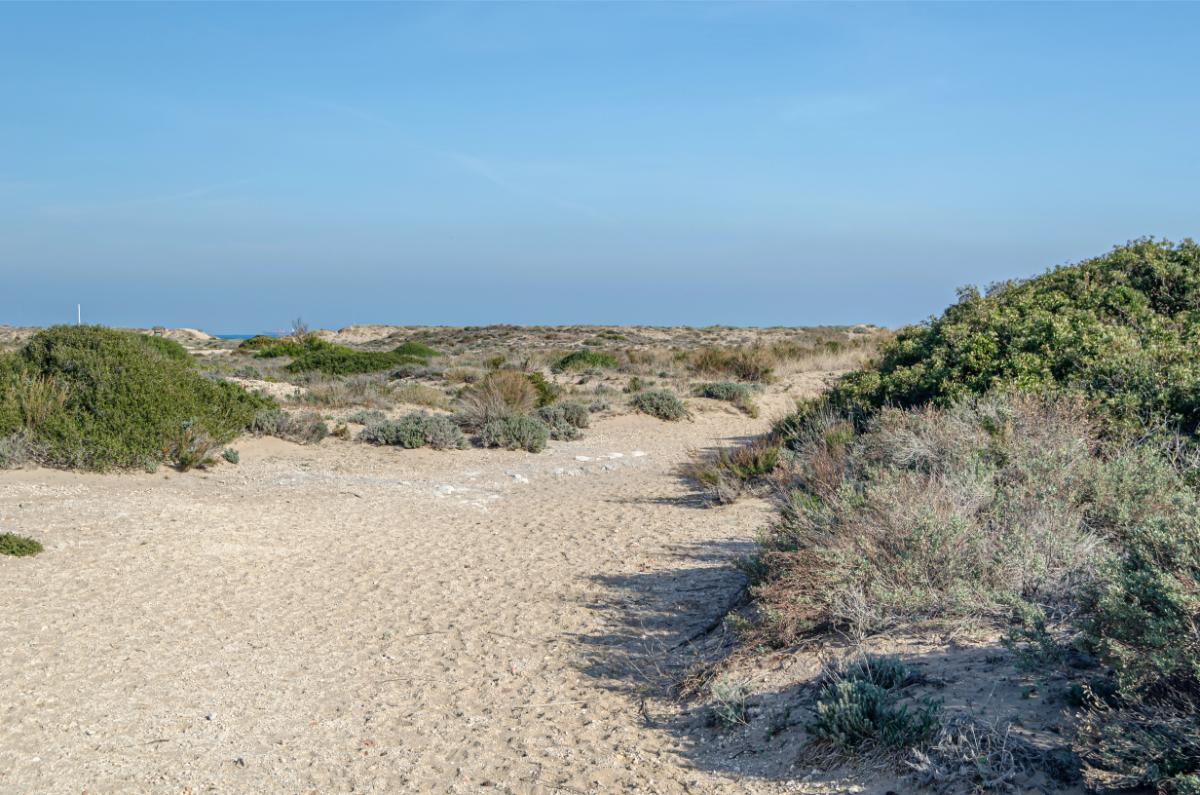
I’d begin the morning in La Devesa, near El Saler, where protected dunes and pine forests separate the Mediterranean from Albufera’s wetlands.
There are several marked walking routes through the area, but I’d pick the four-kilometer Scenic Trail. It follows the old Devesa road through pine forests and past shallow dips between the dunes, called malladas. These spots fill with water in wetter months and dry out in summer, so the landscape changes with the seasons.
I’d give myself about an hour and 45 minutes for the walk, including time to stop and take in the views.
Since I studied wildlife conservation in Costa Rica, I’m interested in how natural areas are protected while still letting people visit. In La Devesa, I’d stick to the marked paths and avoid walking on the dunes, since the plants help hold the sand together.
I’d also watch for birds and other wildlife, but I wouldn’t expect to spot the same species every time.
FI think this is a great way to start the day, since it lets you see the natural landscape before heading to the beach and fishing villages nearby.
11:00 AM: Relax at El Saler Beach

After the walk, I’d head toward El Saler Beach and spend around two hours enjoying the Mediterranean.
El Saler isn’t like the city beaches near Malvarrosa. It’s backed by dunes and pine forests. I’d pick this spot for anyone who wants more space and a quieter setting, away from the busy beachfront neighborhoods.
If it’s warm, I’d go for a swim and relax on the sand. If not, I’d just walk along the shore and take in the views.
I wouldn’t plan any extra activities during these two hours. After the walk in La Devesa, I’d rather just enjoy the beach instead of packing in more sightseeing.
I’d set up a pickup for about 1:00 PM, so I’d have around an hour to get to El Palmar and get settled before lunch. I’d also bring water, sunscreen, and good shoes, since I’d be outside most of the morning.
2:00 PM: Have a Traditional Rice Lunch in El Palmar

Lunch in El Palmar is something I’d really look forward to planning.
The village is surrounded by Albufera’s rice fields and has a long history of farming and fishing. I’d suggest having a real Valencian rice meal here, instead of ordering paella in the city’s busiest tourist spots.
For lunch, I’d pick Arrocería El Rek, a restaurant that’s been next to Albufera since 1973. It has lagoon views and its own boat landing, so it’s a handy choice for this part of the day.
I’d order a traditional Paella Valenciana, made with chicken, rabbit, and local beans. This is the rice dish I’d pick for anyone who wants to try the region’s food traditions, instead of just going for seafood paella.
I’d also think about sharing all i pebre as a starter. This traditional stew, made with eel, potatoes, garlic, and paprika, is closely tied to the fishing communities around Albufera. I’d encourage visitors to try it, since it’s something different from the usual rice dishes Valencia is known for.
I’d confirm both dishes are available when reserving.
I’d make sure to order the paella ahead of time. El Rek suggests asking for rice dishes when you book, since they take about 30 to 40 minutes to prepare after you arrive and confirm your order.
I’d book a table for 2:00 PM and plan for about 90 minutes for lunch. Paella is usually eaten at lunchtime in Valencia, and I think a meal in El Palmar is worth taking your time to enjoy.
El Rek is usually closed on Tuesdays, except for some public holidays. If it’s not available, I’d look at Arrocería Maribel, another spot in El Palmar known for its rice dishes.
3:45 PM: Explore El Palmar and Its Fishing Traditions


After lunch, I’d take some time to explore El Palmar instead of going straight to the lagoon.
I’d wander through the village’s small streets and head toward the waterways, where you can still see traditional fishing boats.
I’d also look for a traditional Valencian barraca. These rural houses, with their steep thatched roofs, are part of the farming and fishing communities around Albufera.
I’d recommend seeing these houses from public areas rather than assuming they’re open to visitors. Many are private properties, and I think it’s important to respect the people who live in these communities.
I’d give myself 45 minutes to an hour to explore the village, check out the traditional buildings, and spend some time by the waterways.
I’d also use this opportunity to learn more about the relationship between the lagoon, rice farming, and fishing.
What interests me about Albufera is how these activities share the same landscape. The wetlands provide habitats for birds and other wildlife, while the surrounding communities have depended on fishing and agriculture for generations.
Since I’ve studied conservation, I think knowing about this relationship adds something to the visit. Travelers might miss it if they just come for a boat ride.
Sunset: Take a Traditional Boat Across Albufera
I’d leave the boat trip for the end of the day.
Traditional wooden boats called albuferencs have been used on the lagoon for generations. Now, visitors can take guided trips to see the wetlands and learn about local fishing and rice-growing traditions.
A typical boat ride lasts around 40 to 45 minutes, depending on the operator and route.
I’d book with a local operator who can explain the area’s history and wildlife, not just offer a boat ride for photos. I’d also check if the guide can give commentary in English if needed.
I’d plan to leave around sunset instead of picking a set time. In summer, sunset is later, so I’d have more free time after exploring El Palmar. In winter, I’d go earlier to catch the changing light.
El Rek has its own boat landing, but I’d only leave from there if the operator confirmed it. Otherwise, I’d use the main meeting point in El Palmar.
I’d also organize a return trip. I’d arrange my return ride before leaving Valencia in the morning. Bus 24 goes from the city to El Palmar, but I wouldn’t count on finding a bus right after sunset. I’d arrange a taxi or private transfer back to the hotel and agree on the pickup location and time in advance.
I’d give myself a little extra time between the boat ride and pickup, so I wouldn’t have to rush.
For me, this is the part worth spending a bit more on. After walking through the dunes, enjoying the Mediterranean, and having a traditional rice lunch, ending the day on Albufera brings together all the parts of Valencia I’d want a friend to see.


What I’d Spend Money On and What I’d Skip
If I had 48 hours, I’d focus my budget on three things: a comfortable place to stay in a good location, a traditional rice lunch in El Palmar, and a guided boat trip on Albufera.
I’d save money by walking around Valencia’s historic center, cycling through Turia Gardens on my own, and spending time in El Cabanyal and by the Mediterranean without booking extra tours.
I wouldn’t rent a car for the whole weekend unless I planned to visit places outside Valencia. Public transport and bike paths make it easy to get around the city without a car.
For Day Two, though, I’d think about spending more on transport between El Saler and El Palmar. Bus 24 goes to El Palmar and bus 25 to El Perellonet, and both give access to parts of Albufera Natural Park.
These buses are good for travelers on a budget, but for this plan, I’d rather arrange my own transport, especially with a lunch reservation and a sunset boat ride in mind.
I’d also put extra money toward a good local boat guide instead of another attraction ticket.
One thing I’d avoid is treating Albufera as just a quick stop outside Valencia. There’s plenty here to spend most of the day. Walking the dunes, relaxing at the beach, trying local food, and learning about the lagoon.

Why These 48 Hours Would Be Worth Remembering
What I like most about this plan is how the two days bring together different parts of Valencia.
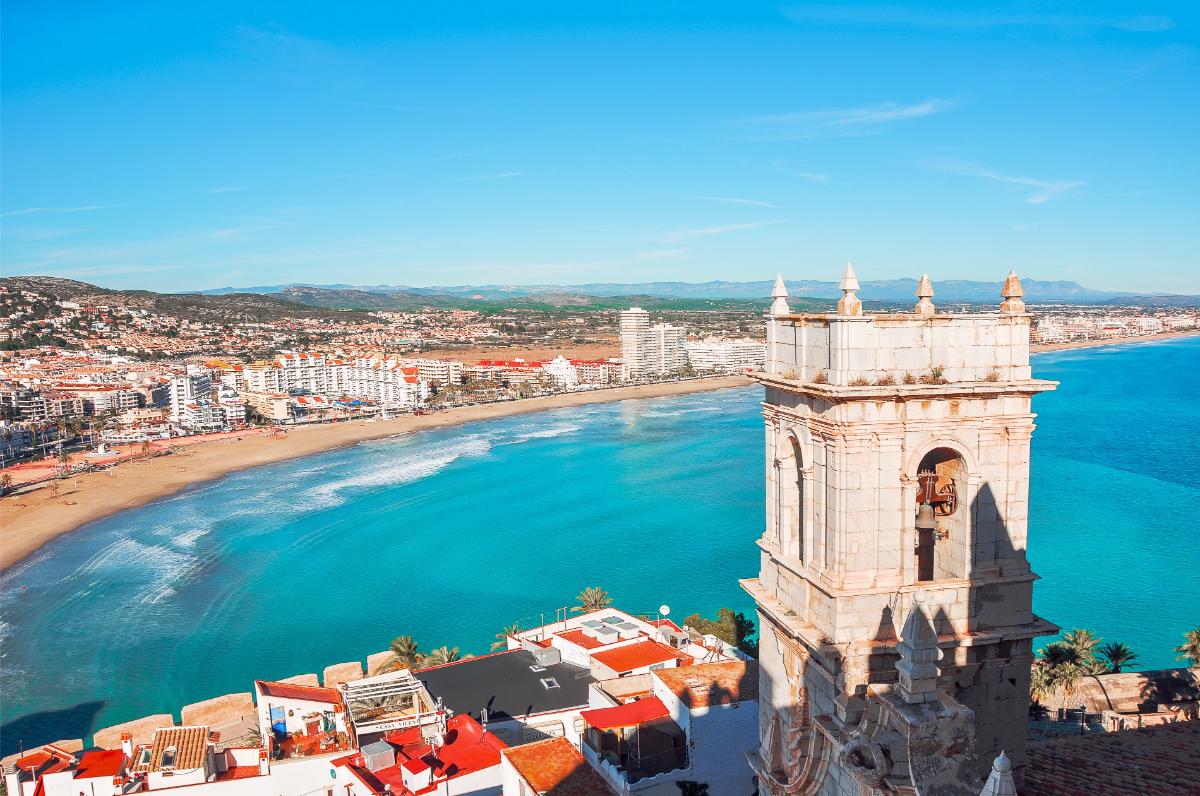
The first day takes you through the historic center, Turia Gardens, El Cabanyal, and the Mediterranean coast. The second day explores the natural landscape south of the city, where dunes, rice fields, fishing villages, and the lagoon all shape the region’s identity.
I’d rather remember a long lunch in El Palmar, a morning walk in La Devesa, a few hours by the sea, and a sunset boat ride on Albufera than spend the weekend rushing between lots of attractions.
Since I studied in Valencia, I appreciate how much the city offers in a small area. You can see historic buildings and local neighborhoods and still have time for the coast and natural areas nearby.
If I only had 48 hours, that’s how I’d spend them.
- About the Author
- More info