
8 Best Things to Do in Ecuador: Mainland Travel Guide

The best things to do in Ecuador include watching wildlife in Cuyabeno, browsing Otavalo’s craft market, exploring Cotopaxi, seeing Quilotoa’s crater lake and spending time in Mindo’s cloud forest. These eight contributor recommendations focus on the mainland, with practical advice for choosing experiences that fit your time and interests.
Booking tip: choose one day trip from Quito
A guided tour can simplify transport for a single Cotopaxi or Mindo day. Choose Cotopaxi for volcanic scenery and a high-altitude park hike; choose Mindo for forest walks and optional activities. Neither replaces a multi-night rainforest stay in Cuyabeno.
Check the exact pickup, walking requirements and exclusions before booking. Ask whether meals and entrance fees are included in your selected option. For independent travelers who want several days in one place, separate transport and local bookings may suit better.
The Republic of Ecuador is a country that has long captivated travelers. You’ll find Inca Empire ruins, Spanish colonial architecture, Indigenous cultures and cosmopolitan cities when you visit. In the east, Ecuador’s landscape stretches into the rainforests of the Amazon basin.
With so much to see and do, it can be intimidating to put together an itinerary. I asked travel bloggers for their favorite mainland experiences. From volcanic climbs to waterfall bike rides and chocolate tours, here’s what they recommend. Their personal accounts and photographs come from earlier visits; practical guidance has been reviewed separately.
Use our Quito sightseeing guide to plan your city days.
Ecuador mainland at a glance
- Time: 7–10 days for a focused Andes-and-Mindo trip; add a separate block for Amazon lodge transfers and a stay.
- Base: Quito for city days and selected day trips; overnight in smaller destinations to reduce repeated drives.
- Money: Costs are in US dollars. Compare total prices, including transfers, entrance fees and optional activities.
- Conditions: Mountain weather, altitude, forest rain and local access vary. Avoid scheduling your hardest hike immediately after arrival.
- Visit lengths: Editorial planning estimates unless referring to a specific tour.
Pick your mainland experiences
1. Cuyabeno Wildlife Reserve
Recommended by Sonia from Ticking the Bucketlist

When it comes to exploring the Amazon, many people head to Brazil. However, the Amazon basin extends across several countries, and Ecuador offers another way to experience its forests and waterways.
This was the reason why I chose to have my tryst with the Amazon in the Cuyabeno Wildlife Reserve in Ecuador.
The reserve, officially Reserva de Producción de Fauna Cuyabeno, is in northeastern Ecuador. Lago Agrio is a gateway for some lodge itineraries. Confirm the exact meeting point and current road and boat transfers with your lodge before leaving Quito.
From the agreed meeting point to Cuyabeno, transport is typically arranged by the host camp or lodge. Check which road transfers and boat journeys your package includes, and leave enough time for the return before any onward flight.
Keep your eyes and ears open: you might spot wildlife en route. Take in the greenery and the sounds of the forest.
On that earlier visit, I spent four days in Cuyabeno at Nikki Lodge. I went on numerous boat safaris and saw caimans and monkeys. I saw the toucans fly over my head and the parakeets tweet. I heard cicadas sing and frogs croak.
I had never been this close to nature and this away from city life. Swimming in the Amazonian lagoon was better than swimming in an Olympic-sized swimming pool, and the sound of the pouring rain was more calming than any meditative music.
The yuca bread that I made with the locals was more delicious than any five-star meal I had ever had!
If nature is what makes you tick, Cuyabeno deserves consideration for a dedicated rainforest stay.
The lodge name above records Sonia’s earlier trip, rather than a current booking recommendation. Check your chosen lodge’s operation, route and inclusions directly.
Plan your visit
- Location: Northeastern Ecuador; lodge access routes vary.
- Costs: Lodge package, transfers and community visits may be charged separately. Request an itemized quote.
- Hours and access: Arrange access with a lodge; boat conditions and travel advisories affect the route.
- Allow: 3–4 nights plus transfer time.
- Planning tip: Best for a dedicated wildlife stay. Check the exact route and lodge location against current travel advice. Only swim if your guide explicitly assesses the location as suitable.
2. Visit Otavalo Market
Recommended by Ingrid from Second-Half Travels

If you’re visiting Quito, consider a day or, better yet, an overnight trip to Otavalo’s Saturday market. This mountain town is known for its textile and craft traditions; allow for the journey from your specific starting point in Quito.
Otavalo is known for its Indigenous population, the Otavaleños, many of whom travel around the world selling handicrafts or playing in Andean folk music groups.
While the market can be visited as a day trip from Quito, it’s best to spend Friday night in Otavalo to visit the market before busloads of tourists arrive midmorning on Saturday.

On Saturdays, stalls spread around Plaza de Ponchos and surrounding streets, selling everything from textiles to traditional clothing.
There are several markets in Otavalo. If you want to visit beyond the central craft market, ask locally about current locations and opening days rather than relying on an old animal-market timetable.
If you’re interested in buying blankets, sweaters, or other souvenirs, check out the colorful artisan market centered on Plaza de Ponchos. It’s the most touristy part of Otavalo but provides a great handicraft selection.
Plan your visit
- Location: Plaza de Ponchos, Otavalo, north of Quito.
- Costs: Budget for transport, food and purchases; guided tours cost extra.
- Hours and access: Daytime market; Saturday is the main market day. Check vendor hours locally.
- Allow: 2–4 hours at the market; a full day from Quito or an overnight stay.
- Planning tip: Best for textiles and craft shopping. Friday overnight avoids an early departure from Quito. Ask permission before photographing people.
3. Paccari chocolate and the Santa Rita cacao experience
Recommended by Jen from Long Haul Trekkers

Ecuador is known for its chocolate, and Ecuadorian maker Paccari, formerly styled Pacari, is one of the brands travelers can explore through tastings and cacao experiences.
The chocolate tour described here took place in the Indigenous Kichwa community of Santa Rita near Archidona. Paccari still describes its Ruta del Cacao experience there, but confirm current departures, transport and the itinerary directly before planning around this earlier visit.
The visit focused on cacao cultivation and the work involved in maintaining the community’s crops by hand.

After a light breakfast and a welcome introduction from the president, visitors worked with women from the community to prepare a lunch of palm hearts, fern fronds and fish. Vegan options were available on that visit; request dietary arrangements when booking.
They cooked over a fire while visitors tramped through the mud and the cacao “chakra.” The guide told the history of the cacao and showed what a cacao pod looks like inside, explaining production from bean to bar.
After lunch, it was time to make chocolate. The guide led guests through peeling dried beans, grinding with a mortar and pestle, and cooking over the fire to make a delicious, edible paste.
Paccari describes sustainability and relationships with cacao-growing communities as part of its approach. Treat these as the company’s own claims, rather than an independently verified ranking of wages or environmental performance.
Plan your visit
- Location: Santa Rita community near Archidona; separate from Quito tasting venues.
- Costs: Ask Paccari for a current quote, transfers, meals and any minimum group size.
- Hours and access: Advance inquiry required; an online description is not confirmation of a departure.
- Allow: Allow a dedicated day locally; confirm travel time before planning from Quito.
- Planning tip: Best for travelers interested in cacao cultivation. If time is short, ask about a Quito tasting instead of assuming Santa Rita is a quick city excursion.
4. Cotopaxi National Park and summit climbing
Recommended by Miguel from Travelsauro

Located south of Quito, Cotopaxi is one of Ecuador’s best-known volcanoes.
While most visitors explore the national park or hike toward the refuge, a few attempt the summit of this active stratovolcano. If you decide to attempt the mountain, keep in mind that it is not a walk in the park.
Cotopaxi is nearly 6,000 meters high. Its summit is a glaciated mountaineering objective requiring a qualified mountain guide, suitable equipment, acclimatization and a realistic assessment of conditions. A sightseeing day tour does not include a summit climb.
Summit attempts often start at night, when you see little beyond your headlamp. Cold, fatigue and altitude make the climb demanding even for fit travelers.
Reaching the summit is never guaranteed. Agree on turnaround criteria with your guide and be prepared for access restrictions or a cancellation.
The refuge at roughly 4,800 meters is a separate day-visit objective, but even this short approach can feel strenuous at altitude. Ask whether a lower-elevation park itinerary around Limpiopungo suits you better.
If you are considering the summit, build your trip around acclimatization and professional guidance, rather than adding the climb immediately after arrival in Quito.
In suitable conditions, views of the glacier and surrounding volcanoes are part of the appeal. Choose the version of Cotopaxi that matches your experience, health and available time.
Plan your visit
- Location: Cotopaxi National Park, south of Quito.
- Costs: Compare transport, guide, admission and meals; summit expeditions are priced separately.
- Hours and access: Confirm park access and volcanic conditions with the operator shortly before travel.
- Allow: Full day for a park visit from Quito; summit plans need additional preparation and acclimatization.
- Planning tip: Best for volcanic scenery. Tell the operator your mobility and altitude concerns; the refuge hike is optional only if the specific operator confirms an alternative.
The linked GetYourGuide tour visits Cotopaxi National Park with a guide and transport from Quito, including Limpiopungo and a refuge hike in the advertised itinerary. It is not a summit expedition. Confirm the actual route, altitude suitability, pickup and any entrance or meal costs for your date.
5. Cycle the waterfall route from Baños
Recommended by James from Travel Collecting

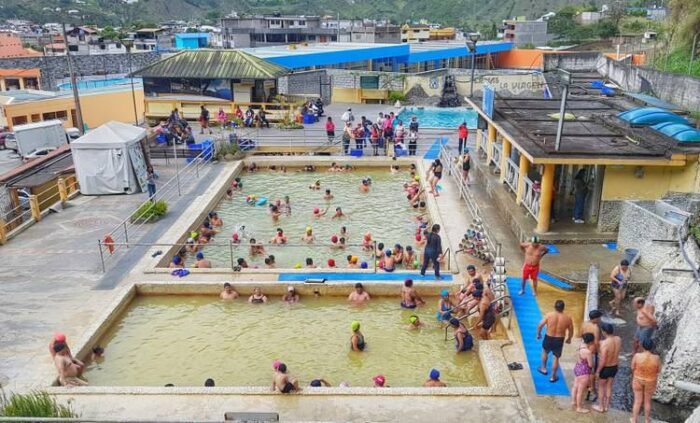
Baños is a small town on the eastern slopes of the Andes, between volcanic mountains and a dramatic gorge. It is named after the hot springs you can enjoy in town.
An awesome experience is to rent a bike from one of the many outfitters in town and cycle down the Andes along the Route of the Waterfalls. The climate and scenery change as you slowly descend out of the Andes and into the tropical rainforest.
Along the way, waterfalls cascade down the adjacent cliffs. A popular shorter ride ends around Río Verde and Pailón del Diablo, the Devil’s Cauldron, roughly 17–20 km from Baños depending on your stops. Here, paths and steps lead to views of the falls. Continuing all the way to Puyo makes a much longer ride.
The huge volume of water thundering down out of the rainforest, causing millions of drops of water to fly around, sparkling in the sunshine, is dramatic.
On the longer continuation toward Puyo, the landscape becomes increasingly tropical, reminding you of the diversity of this small country.
Arrange your return with the bike rental shop before setting off. Confirm the pickup location, last departure, price and bicycle space instead of relying on flagging down a passing truck.
Back in Baños, soak in one of the hot springs to recover and enjoy melcocha taffy, a local specialty.
Check out Ecuador from a birds-eye view:
Plan your visit
- Location: Baños to Río Verde on the Ruta de las Cascadas; Puyo is a longer extension.
- Costs: Bike rental, individual waterfall entrances and return transport are separate costs unless included in a package.
- Hours and access: Ride in daylight; ask about road, tunnel bypass and waterfall access conditions.
- Allow: Half to full day for the shorter waterfall route.
- Planning tip: Best for confident road cyclists. Check brakes and helmet, expect motor traffic, and prearrange a return with bicycle space. Wet paths and stairs require care.
6. Visit Mitad del Mundo and Intiñan
Recommended by Cacinda from PointsandTravel

An easy day trip to plan from Quito is “Mitad del Mundo,” or the “middle of the world.” The equator-themed complex celebrates latitude 0°, with a monument and visitor attractions.
Treat the painted line as part of the visitor experience rather than a precise GPS measurement. The monument’s marked equator and modern geographic measurements are not the same thing.
There are two separate places to consider: Ciudad Mitad del Mundo, with its monument and museum attractions, and the nearby Intiñan site museum.
Allow time for both only if their different exhibits interest you, and budget separately for admission.
The history of attempts to measure the Earth is part of what makes this visit interesting.
Go for the geography-themed displays and the photo stop, rather than expecting every demonstration to establish an exact equator location.
It is a fun day trip from Quito, so check it out!
Plan your visit
- Location: Ciudad Mitad del Mundo, Av. Manuel Córdova Galarza, north of Quito.
- Costs: The official site lists adult admission at US$5; Intiñan and optional extras are separate. Verify the selected ticket before travel.
- Hours and access: Official posted hours: Monday–Friday 9am–5pm; Saturday–Sunday 9am–6pm. Recheck holiday arrangements.
- Allow: 2–3 hours at the complex, plus travel; longer for both museums.
- Planning tip: Best for a geography-themed outing. Check the return transport before departure and ask about step-free access to specific exhibits.
7. Laguna Quilotoa
Recommended by Elisa from World in Paris

Laguna de Quilotoa makes a rewarding getaway into the Andes southwest of Quito.
Quilotoa is a volcanic caldera filled with emerald-colored water. Walking around the crater rim is a demanding high-altitude hike, with repeated climbs and exposed sections. Do not mistake the full circuit for an easy lakeside stroll.
You can enjoy the lake from the rim viewpoints without doing the full circuit. The descent to the shore is steep, and the climb back is tiring; it is not an automatic bad-weather alternative. Bring water and snacks, check conditions locally, and confirm any kayaking availability on arrival.
I recommend staying near Quilotoa at least one night if you want time beyond a quick viewpoint stop. Reserve accommodation ahead for weekends and holidays, and confirm heating, meals and transport arrangements.
For an independent visit, confirm the current connections and onward transport with your accommodation before leaving Quito. A guided day trip simplifies the logistics, but check how much walking time it actually allows.
Start your journey early in the morning.
Plan your visit
- Location: Andean crater lake southwest of Quito, near Zumbahua.
- Costs: Allow for local access or parking charges, transport and optional activities; verify current charges with the community visitor center.
- Hours and access: Daylight visit; wind, rain and visibility determine suitable walking plans.
- Allow: 1–2 hours for viewpoints; substantially longer for a shore hike or full rim circuit.
- Planning tip: Best for crater views. Viewpoint stop, shore descent, rim circuit and the multi-day Quilotoa Loop are different trips. Choose deliberately.
8. Mindo cloud forest
Recommended by Claire from Tales of a Backpacker

Mindo feels a world away from Quito. Allow for travel from your accommodation as well as the road journey when choosing between a day trip and an overnight stay.
This quaint little town is surrounded by cloud forest in the Mindo-Nambillo Reserve and is a wonderful place for nature lovers. Here you will find many bird, butterfly and orchid species which are abundant in Mindo, and you can take bird watching tours with local experts to help you spot the most elusive creatures.
The Mariposas de Mindo butterfly garden is filled with beautiful butterflies and is a definite worth considering here, as is a visit to the chocolate makers at El Quetzal de Mindo. Here you can take a chocolate tour, or just try one of their famous brownies.
One of my favorite things to do in Mindo had a little more adrenaline though, zip-lining through the cloud forest! There are several companies offering zip-lining in Mindo. I chose Mindo Canopy Adventure on my visit and wasn’t disappointed.
We zipped across several lines, trying out different positions like the ‘superman’ and the ‘butterfly’ and I had an absolute blast.
If you like these kinds of activities there is plenty to do here from rafting and rappelling to hiking and biking.
Mindo is a great place to visit to escape the cities and get close to nature in Ecuador and get an adrenaline rush too!
Plan your visit
- Location: Mindo and the surrounding cloud forest, northwest of Quito.
- Costs: Butterfly gardens, chocolate tours, zip lines and private reserves may each charge admission.
- Hours and access: Book birding and adventure activities ahead; confirm individual opening times and weather suitability.
- Allow: Full day from Quito or 2 nights for a less rushed stay.
- Planning tip: Best for birds, chocolate and forest activities. Trails can be muddy and steep. Follow the operator’s harness, age and weight rules for zip-lining.
The linked Mindo day tour is listed at about nine hours, with transport and a guide. Zip-lining is optional. Confirm which entrance tickets, activities and meals cost extra before comparing the headline price with an independent visit. Stay overnight if early birdwatching and a slower pace matter more than covering several stops in one day.
Where to stay in Mindo: Septimo Paraiso

If you’re looking for a place to stay while visiting Mindo, my earlier stay at Septimo Paraiso Lodge is one option to consider. The forest property is outside town; ask the lodge for current transfers and taxi arrangements.
That makes it a great destination for those hoping to get out of the capital city and spend a few days exploring the country’s beautiful cloudforest landscape.
The lodge has private cloud-forest grounds, making the surrounding habitat part of the stay.
Walking the property’s forest trails gives you time to appreciate the surroundings. If you’re into birding, ask the lodge about its current guided birdwatching options.

The rooms, which vary slightly in size, are all homey and full of earthy, welcoming woods. This, paired with the quietness of the place, made the property a great place to relax for a few days and enjoy both nature and the accommodations.
During my stay, the natural aesthetic and exposed wood came with comforts including a pool and restaurant. The photographs show that earlier visit; confirm current facilities and what your room rate includes before booking.
Plan your visit
- Location: Septimo Paraiso Lodge, outside Mindo.
- Costs: Room rates vary; confirm meals, activities and transfers in writing.
- Hours and access: Reserve dates and arrival arrangements directly with the lodge.
- Allow: 2–3 nights as a planning suggestion.
- Planning tip: Best for staying close to forest and birdlife. Confirm current facilities and room access; earlier photographs do not establish present accessibility.
Plan a realistic Ecuador mainland route
For a first trip, use this flexible 10-day outline rather than treating all eight entries as a checklist. It leaves out Cuyabeno and Santa Rita, which require their own travel planning. Adjust mountain days for acclimatization, conditions and your interests.
Suggested 10-day outline
- Days 1–2: Quito at a gentle pace; use our Quito guide.
- Days 3–4: Mindo, with an overnight stay.
- Day 5: Return to Quito; keep the rest of the day flexible.
- Day 6: Cotopaxi park day trip if acclimatized and conditions allow; otherwise a city or equator day.
- Days 7–8: Transfer to Baños and explore its waterfalls.
- Days 9–10: Return toward Quito with an overnight buffer before departure. Swap Mindo or Baños for Otavalo or Quilotoa if those suit you better.
When to go and how to get around
Plan around the conditions of each region rather than a single countrywide “best season.” Take layers and rain protection for the Andes and cloud forest. Confirm mountain access and road conditions shortly before setting out; keep a flexible day for weather-sensitive activities.
You do not need to rent a car for every stop in this guide. Combine Quito sightseeing with selected guided outings, or ask accommodations to help confirm intercity transfers. For independent travel, check the actual terminal, final connection and daylight arrival. Mountain-road distances alone are a poor guide to journey times.
Before booking, read the current official Ecuador travel advice and the advice issued by your own government. Check specific routes, entry requirements and insurance conditions, not just the country overview.
Adding the Galápagos Islands
The Galápagos Islands are part of Ecuador, but they are not a mainland day trip. Set aside separate travel time and budget, and choose islands before booking accommodation. These guides can help you decide:
- Luxury 10-Day Galápagos Islands Itinerary
- Things to do on Santa Cruz Island
- Things to do on Isla Isabela
- Things to do on San Cristóbal
- Compare Galápagos hotels and island bases
Browse all our Ecuador travel guides.
Ecuador travel FAQs
What are the best things to do in mainland Ecuador?
For a varied mainland trip, combine Quito with a few of these experiences: Otavalo for crafts, Mindo for cloud forest, Cotopaxi for volcanic scenery, Quilotoa for crater views and Baños for waterfalls. Cuyabeno suits a separate multi-night Amazon stay. Choose a region and pace rather than trying to visit every place in a week.
How many days do you need in Ecuador?
Seven to ten days can work for a focused mainland route around Quito, Mindo and selected Andean destinations. Two weeks leave more room for slower travel or a separate Amazon stay. Galápagos needs its own travel days and budget. These are planning suggestions, and long transfers can substantially reduce sightseeing time.
Can you visit Cotopaxi without climbing the summit?
Yes. A national-park day trip can focus on scenery, Limpiopungo and, where suitable, the refuge approach. The summit is a separate guided mountaineering objective. Ask the operator how high the tour goes and whether a lower-level alternative is available. A sightseeing ticket does not make the altitude or physical demands suitable for everyone.
Is Quilotoa an easy hike?
A viewpoint visit is very different from a full crater-rim hike. The rim circuit has repeated climbs at high altitude, while a descent to the lakeshore requires a steep return uphill. Choose a route that matches your acclimatization and fitness, and change plans if weather or symptoms make walking unsuitable.
Is Mindo worth an overnight stay?
Mindo works as a day trip from Quito, but an overnight stay gives more room for early birdwatching, chocolate tastings and forest walks. Two nights are a useful planning choice if you want several activities without rushing. Check which excursions require transfers and separate admission instead of assuming a lodge stay includes everything.
What day should you visit Otavalo Market?
Saturday is the main market day around Plaza de Ponchos and nearby streets. Staying Friday night helps you arrive before the main day-trip crowds. The craft market also operates beyond Saturday, but individual vendor schedules vary. Check locally if you want a particular market or artisan rather than only the central stalls.
Is Ecuador safe to visit?
Conditions differ by region and can change quickly. Check your government’s current travel advice for each overnight stop and transfer route, especially before an Amazon trip. Confirm local conditions with your accommodation, use arranged transport where appropriate and check insurance coverage. No countrywide yes-or-no answer replaces a review of your specific itinerary.
Should you book Ecuador tours in advance?
Book ahead when you need a specific date, language, pickup point or lodge package. Compare the total cost including admission, food and optional activities. A guided day trip can reduce transport planning, while independent overnight stays give more flexibility. For Cotopaxi summit climbing and community visits, arrange the appropriate specialist rather than assuming ordinary sightseeing tickets cover them.
Practical information reviewed October 3, 2026. Prices, access and tour arrangements can change. Use the linked visitor and booking pages for your travel date.
Was this post helpful? Save it to refer to later.

Disclaimer: I was invited by El Septimo Paraiso. My opinions, as always, are solely my own.
- About the Author
- More info
Tim Kroeger is the founder and editor of Universal Traveller, covering luxury stays and active travel. Based in Bangkok, he draws on 15+ years of travel across 112+ countries, from reviewing luxury hotels to bikepacking through Southeast Asia. He also writes about luxury wellness and longevity travel at tim-kroeger.com, where he developed the Restorative Index.


Great job